Patna Kalam Art: History, Features, Artists & Causes of Decline
Patna Kalam Art: Explore its history, features, artists, and decline. Learn how this unique Bihar painting style captured everyday life.
ART & CULTUREINDIAN ART HISTORY
Dr. Nehal Kishore
3/18/20263 min read
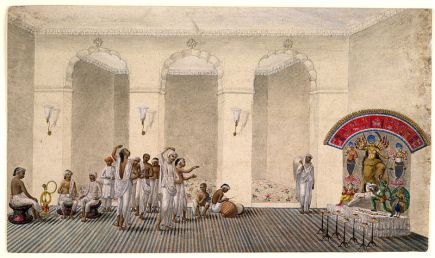
Imagine walking through the narrow lanes of 18th-century Patna. The streets are alive with activity, artisans weaving, markets bustling with vendors, and festivals filling the air with color and celebration. Now imagine all of this being captured, not in photographs, but through delicate brush strokes on paper.
This is the world of Patna Kalam Art, also known as the Patna School of Painting. Emerging in the mid-18th century and continuing till the mid-20th century, this art form is often called a Company Painting style due to its connection with British officials.
What makes Patna Kalam truly special is its blend of Mughal and European artistic traditions. But more importantly, it tells stories, not of kings and queens, but of everyday people.
The Beginning: When Artists Found a New Home
The story of Patna Kalam begins during the reign of Mughal emperor Aurangzeb. During this time, artistic activities such as painting, music, literature, and dance were banned. As a result, many skilled artists were forced to leave the Mughal courts in search of new opportunities.
Some of these artists found their way to Patna. Here, away from royal courts and restrictions, they began experimenting with new ideas. Slowly, a new style of painting took shape—one that combined their Mughal training with local influences.
This marked the birth of Patna Kalam Art.
Where the Art Lived and Grew
As more artists settled in the city, certain areas of Patna became known for this art form. Places like:
Devan Mohalla
Lodikatra
Machharhatta
turned into creative hubs filled with painters and their work.
By the 1770s, Patna had become the main centre of this art. Nearby regions such as Danapur and Ara also contributed to its growth, helping the style spread further.
Stories on Canvas: What Did They Paint?
Unlike many traditional Indian paintings that focused on royalty, Patna Kalam chose a different path. It focused on real life, the lives of common people.
Artists painted scenes such as:
A weaver busy at work
Soldiers and police personnel
Women celebrating festivals like Chhath and Diwali
Busy fish markets filled with activity
Social customs and everyday routines
Animals and birds
Each painting was like a snapshot of life, making Patna Kalam a true people’s art form.
Famous Creations and Artists Behind Them
Over time, many artists contributed to this tradition, leaving behind memorable works.
Some important paintings include:
Holi Celebration by Gopal Lal
Muslim Marriage Ceremony by Shiv Dayal Lal
Bharat Mata Painting by Ishwari Prasad Verma
Begum Wine Party by Yamuna Prasad
Ragini Gandharni Painting by Mahadev Lal
Behind these works were artists like:
Sevak Ram
Hulas Lal
Nityanand Lal
Raja Mohan Babu
Ishwari Prasad Verma
Women artists such as Sona Bibi and Dacho Bibi also played a role, showing that this art form was inclusive and diverse.
What Made Patna Kalam Unique
What made these paintings stand out was not just their subjects, but also their style.
They were usually miniature paintings, small in size but rich in detail. The artists focused on capturing emotions and actions with precision.
The style reflected a blend of influences:
From Mughal art came the use of bright colours and fine detailing
From European art came the technique of light and shadow
At the same time, the backgrounds were kept simple, allowing the main subjects to stand out.
One of the most remarkable aspects was the direct brush technique. Artists painted directly onto the surface without first sketching, which required great skill and confidence.
The colours used were natural and simple, mainly red, blue, yellow, and white, giving the paintings a soft and authentic look.
The Slow Decline of a Beautiful Art
Despite its richness, Patna Kalam could not survive the changes that came with time.
As trade and commerce declined in regions like Bihar and Bengal, the demand for such paintings also decreased. At the same time, artists did not receive enough support or patronage from institutions or royal courts.
The biggest challenge came with the arrival of photography and printing technology in the mid-20th century. People no longer needed painted images when photographs could capture reality instantly.
As a result, many artists struggled financially and were forced to leave their craft in search of other work.
Can Patna Kalam Be Revived?
Even though the art form declined, it has not completely disappeared. There is still hope for revival.
Artists today can be encouraged to experiment with new styles while keeping traditional techniques alive. Government support can play a major role by providing financial stability and opportunities.
Exhibitions, fairs, and cultural events, especially organized by the Bihar government, can help bring this art back into public attention.
Conclusion: A Legacy Worth Remembering
Patna Kalam Art is not just a style of painting, it is a record of everyday life from a different time. It captures the simplicity, culture, and spirit of people in a way that few art forms do.
From its origins during a time of restriction to its growth as a people’s art, and finally its decline in the face of modern technology, Patna Kalam tells a complete story.
With the right efforts, this forgotten art form can once again find its place in India’s rich cultural heritage.
Also Read: Pala Art and Architecture: The Buddhist Cultural Renaissance of Eastern India
Banner Image Source: Wikimedia Commons